
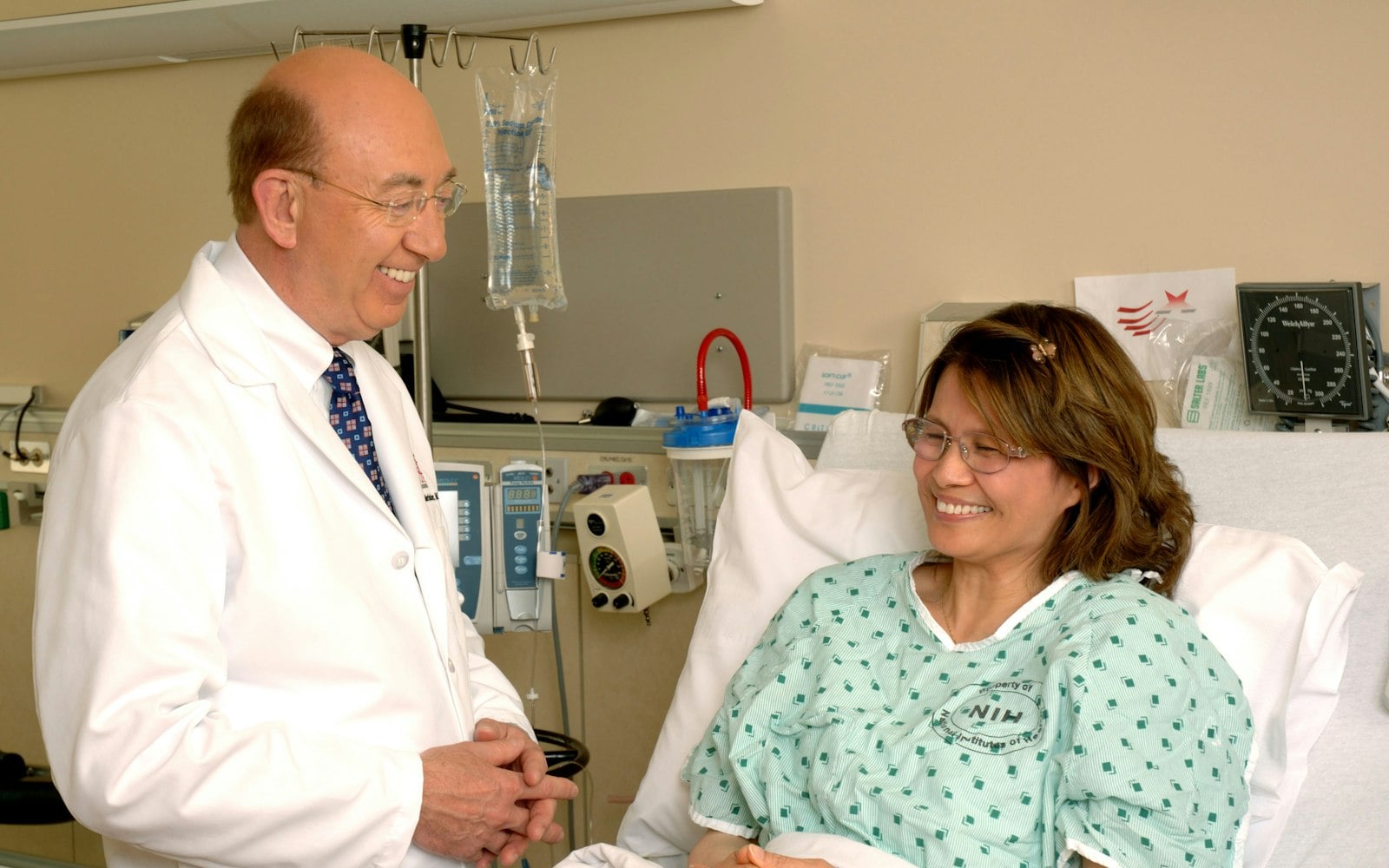
Alcohol withdrawal is not just a neurological or psychiatric event — it is a full-body autonomic storm, and the cardiovascular system takes a particularly heavy hit. For high-net-worth clients in their 40s, 50s, and 60s, many of whom already carry hypertension, atrial fibrillation, coronary artery disease, or a history of stents, cardiac stability is often the single most important variable determining whether an in-home detox stays at home or converts to a hospital transfer. At Concierge Home Detox, cardiovascular risk stratification and continuous cardiac monitoring are built into every alcohol withdrawal protocol from the moment of intake.
This guide walks through exactly how our physician-led, nurse-executed model identifies, monitors, and manages cardiovascular risk during in-home alcohol withdrawal — and where our clinical escalation thresholds sit.
Why Alcohol Withdrawal Is a Cardiovascular Event
Ethanol is a central nervous system depressant. Chronic use downregulates the GABA-A receptor system and upregulates NMDA glutamatergic tone. When alcohol is removed, the unopposed sympathetic surge produces exactly the physiology emergency medicine physicians recognize: tachycardia, hypertension, tremor, diaphoresis, and hyperthermia. In a healthy 30-year-old, this is uncomfortable but manageable. In a 58-year-old executive with a resting heart rate of 62 on metoprolol and a history of paroxysmal atrial fibrillation, the same catecholamine surge can precipitate rate-related ischemia, decompensated heart failure, or unstable arrhythmia.
The specific cardiovascular complications we screen for and monitor include:
- Withdrawal-induced hypertension — systolic pressures of 180–220 mmHg are routine in unmedicated moderate-to-severe withdrawal.
- Sinus tachycardia and supraventricular tachyarrhythmias — heart rates above 120 bpm are common in the first 24–48 hours.
- “Holiday heart” atrial fibrillation — new-onset AF triggered by alcohol cessation, particularly in binge patterns.
- Demand ischemia in clients with underlying coronary disease.
- Takotsubo (stress) cardiomyopathy, rare but reported in severe withdrawal.
- QT prolongation from combined ondansetron, methadone, or antipsychotic use during withdrawal management.
Pre-Detox Cardiovascular Assessment: The Baseline
Before a single dose of any benzodiazepine is administered in the home, our medical director completes a documented cardiovascular risk review. This is not optional and it is not delegated.
12-Lead ECG Within 48 Hours of Detox Start
A resting 12-lead ECG is obtained either at the client’s cardiologist’s office, an outpatient imaging center, or by our mobile team using a clinical-grade portable ECG. We are specifically looking at rate, rhythm, QTc interval (baseline for pharmacologic decisions), signs of prior infarct, and left ventricular hypertrophy suggestive of long-standing hypertension. Any QTc above 470 ms in men or 480 ms in women changes our antiemetic selection immediately.
Recent Echocardiogram and Cardiology Records
For clients over 55, clients with known cardiac disease, or clients with more than 15 years of daily heavy drinking, we require review of an echocardiogram from within the past 12 months. Alcoholic cardiomyopathy is often silent until physiologic stress unmasks it. If no recent echo exists and the client meets criteria, we arrange one before detox begins. This is the same standard the clinical handoff to your primary care physician is built on — nothing happens in a vacuum.
Medication Reconciliation
Chronic drinkers routinely arrive on a surprising list of medications: beta-blockers, ACE inhibitors, diuretics, direct oral anticoagulants, antiarrhythmics, and increasingly GLP-1 agonists. Each interacts with the withdrawal protocol. We do not “hold” cardiovascular medications during detox unless a specific pharmacologic reason exists. Abruptly stopping a beta-blocker in a withdrawing patient is one of the fastest ways to precipitate rebound tachycardia and demand ischemia.
Continuous Monitoring During In-Home Withdrawal
Once detox begins, cardiovascular data collection is continuous and structured. Our nurses do not check vitals “as they think about it.” They follow a written monitoring cadence indexed to withdrawal severity.
Vital Sign Frequency by CIWA-Ar Band
Vital sign frequency is tied directly to the client’s current CIWA-Ar score:
- CIWA-Ar 0–8 (mild): Vitals every 4 hours, including blood pressure, heart rate, temperature, respiratory rate, and SpO2.
- CIWA-Ar 9–15 (moderate): Vitals every 2 hours.
- CIWA-Ar 16–19 (moderate-severe): Vitals every hour, plus continuous single-lead telemetry.
- CIWA-Ar 20+ (severe): Vitals every 30 minutes, continuous telemetry, and immediate physician re-evaluation for potential facility escalation.
Portable Telemetry in the Home
For clients with pre-existing cardiac disease, moderate-to-severe withdrawal on presentation, or any electrolyte abnormality on baseline labs, we deploy a portable telemetry monitor that streams heart rate, rhythm, and SpO2 to the nurse’s tablet and to our on-call physician. This is not consumer wearable technology — it is the same class of device used in step-down units, with alarm parameters set by the medical director for that specific client (typically HR above 130 or below 45, any new arrhythmia, SpO2 below 92%, and systolic blood pressure above 200 or below 90).
Managing Autonomic Hyperactivity Safely
The core pharmacologic principle in alcohol withdrawal is symptom-triggered benzodiazepine dosing to blunt the sympathetic surge. But when a client already has cardiovascular disease, additional adjunctive medications enter the picture, and each requires careful sequencing.
Benzodiazepines Are First-Line, Not Beta-Blockers
A common outpatient error is to treat withdrawal tachycardia with beta-blockade alone. This masks the tachycardia while doing nothing to address the underlying CNS hyperactivity, and it removes one of the earliest warning signs of clinical worsening. Adequate benzodiazepine dosing — most often lorazepam or diazepam titrated to CIWA-Ar — should be the first response to withdrawal-driven tachycardia and hypertension. In our protocol, adjunctive antihypertensives are added only after benzodiazepine loading has been optimized.
Alpha-2 Agonists for Refractory Sympathetic Activity
Clonidine or, in select cases, low-dose dexmedetomidine under physician supervision, can be added when persistent hypertension or tachycardia continues despite adequate benzodiazepine coverage. Alpha-2 agonists do not treat the seizure risk of alcohol withdrawal and are never used alone — they are always layered on top of benzodiazepines.
Beta-Blocker Continuation, Not Initiation
Clients already on chronic beta-blocker therapy stay on it. We do not typically initiate new beta-blockers during acute withdrawal specifically because they can obscure the CIWA-Ar picture and delay recognition of clinical deterioration.
Fluid, Electrolyte, and Thiamine Considerations
Cardiovascular stability is inseparable from fluid and electrolyte management. Hypokalemia and hypomagnesemia — extremely common in chronic drinkers — are directly arrhythmogenic. Our standard protocol includes IV thiamine before any glucose administration, aggressive repletion of magnesium and potassium to targets (Mg above 2.0 mg/dL, K above 4.0 mEq/L), and cautious volume management in clients with reduced ejection fraction. The specifics of IV access, banana-bag composition, and oral repletion are covered in more depth in our overview of nutrition and hydration protocols during in-home alcohol detox.
Escalation Thresholds: When We Transfer to a Hospital
An honest in-home detox program has clear, written criteria for when the home is no longer the safest setting. For cardiovascular indications, we transfer when any of the following occur:
- New-onset atrial fibrillation with rapid ventricular response not controlled within 60 minutes.
- Sustained heart rate above 140 bpm despite adequate benzodiazepine loading.
- Any chest pain with ECG changes.
- Systolic blood pressure sustained above 200 mmHg despite two-agent management.
- Evidence of demand ischemia — troponin elevation, new wall motion abnormality on point-of-care ultrasound, or acute ECG changes.
- CIWA-Ar sustained at 20 or above despite escalating benzodiazepine dosing.
Transfer is arranged directly by our on-call physician, typically to a pre-identified private receiving hospital where the client’s cardiologist has privileges. This is not a 911 call from a panicked family member — it is a physician-to-physician handoff, and it is one of the reasons careful home preparation before detox begins matters so much.
Post-Detox Cardiovascular Follow-Up
Detox is not the end of the cardiovascular conversation. Ongoing alcohol abstinence generally lowers blood pressure meaningfully within 4–8 weeks, which frequently requires downtitration of antihypertensive regimens the client entered detox on. We coordinate a follow-up cardiology visit within 30 days for all clients with pre-existing cardiac disease and for any client who required telemetry escalation during detox. Recovery of alcoholic cardiomyopathy, when present, is often measurable on repeat echocardiogram at 6 months of sobriety — a data point many clients find highly motivating.
The Clinical Bottom Line
In-home alcohol detox for high-net-worth clients with cardiovascular comorbidity is entirely appropriate — when it is done with hospital-grade monitoring, written escalation thresholds, and physician oversight. It is dangerous when it is done casually. Before beginning any home detox, clients and families should complete a candid clinical self-assessment of in-home detox candidacy. If cardiovascular risk factors are present, insist on documented pre-detox cardiac assessment, telemetry availability, and clear escalation criteria in writing.
Speak With Our Medical Director
If you or a family member is considering in-home alcohol detox and has any cardiovascular history — hypertension, arrhythmia, prior stents, heart failure, or a strong family history — a 20-minute clinical consultation with our medical director will clarify whether at-home detox is appropriate and what monitoring will be required. Call Concierge Home Detox at 866-896-3741 for a confidential, physician-led conversation.
Ready to Start In-Home Medical Detox?
Speak with a physician-led detox team. Confidential, medically supervised, and delivered in your home.
Call 866-896-3741 or book a consultation.
