
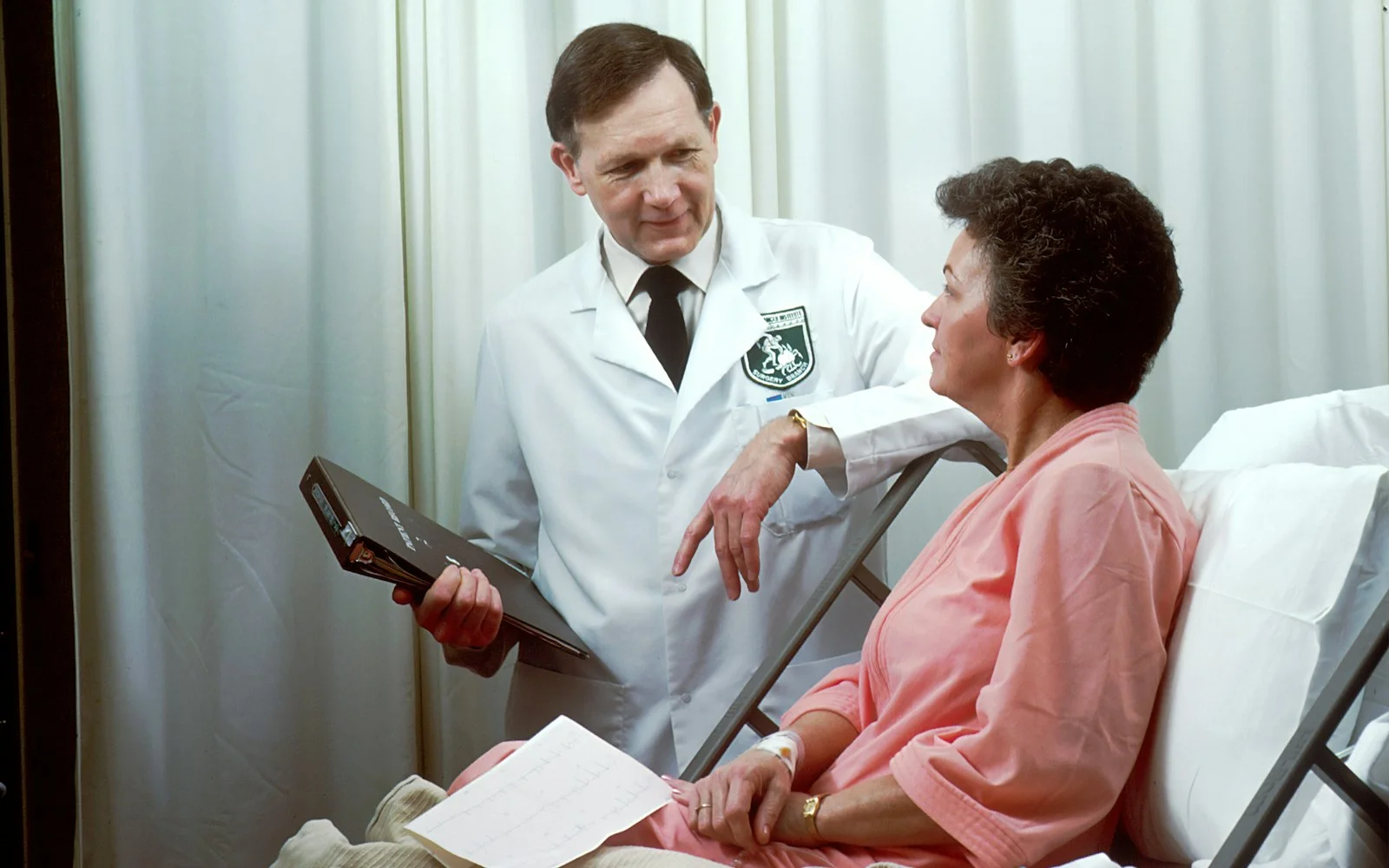
Benzodiazepine dependence carries a specific medical problem that alcohol dependence does not: sudden cessation can produce a life-threatening withdrawal syndrome, and the safe taper timeline is measured in weeks or months, not days. For high-net-worth clients unable or unwilling to spend that time in a facility, an in-home medically supervised taper is the safest path off long-term benzodiazepine use — and in 2026 it is the fastest-growing service line inside concierge detox.
Here is how a physician-led in-home benzodiazepine taper actually works: the clinical rationale, the equivalency conversions, the monitoring protocols, and the seizure-precaution planning that makes it safe to do at home instead of in a hospital.
Why Benzo Withdrawal Is Different
Alcohol and benzodiazepines share a common mechanism — both act on the GABA-A receptor — which is why the withdrawal symptoms overlap: anxiety, tremor, insomnia, autonomic instability, and, in severe cases, seizures. But benzodiazepine withdrawal has three features that make it uniquely dangerous:
- Kindling. Repeated withdrawal episodes lower the seizure threshold with each attempt. A patient who has tried and failed to stop three times faces a higher seizure risk than a first-time discontinuation.
- Protracted symptoms. Sensory hypersensitivity, cognitive fog, and anxiety can persist for months after the last dose — the syndrome sometimes labeled post-acute withdrawal.
- Long half-lives complicate the timing. Diazepam has a half-life measured in days; alprazolam clears in hours. Withdrawal timelines depend heavily on which agent the patient is coming off.
The Physician Assessment Before Day One
Before any dose reduction begins, a concierge detox physician conducts a full assessment. This is not a phone script — it is an in-home evaluation that covers:
- Complete substance history, including all agents, doses, duration, and prior taper attempts
- Seizure history (personal and family), head injury history, and current use of medications that lower seizure threshold
- Physical exam with baseline vitals, ECG, and blood work (CBC, CMP, LFTs, TSH)
- Psychiatric assessment for co-occurring conditions — especially the anxiety or insomnia the benzodiazepine was originally prescribed for
- Home environment and support system review — who else lives in the home, who can be present overnight, where medications will be stored
If the assessment identifies any absolute contraindication to home taper — unstable psychiatric presentation, recent seizure, severe medical comorbidity — the physician recommends inpatient care and does not proceed at home. This is a fundamental patient-safety decision and a well-run in-home detox program is not a facility of last resort.
Equivalency Conversion and the Substitution Step
Short-acting, high-potency benzodiazepines — alprazolam, lorazepam, triazolam — are notoriously difficult to taper directly. The interdose withdrawal that occurs as each dose wears off makes symptom management chaotic. Standard practice is to convert to a long-acting equivalent — usually diazepam or clonazepam — before beginning dose reduction. This provides steady-state blood levels and blunts the peak-and-trough anxiety cycle patients otherwise experience.
Rough equivalencies (individual response varies):
- 10 mg diazepam ≈ 1 mg alprazolam ≈ 2 mg lorazepam ≈ 0.5 mg clonazepam
The physician calculates the total daily equivalent, then either substitutes fully or partially, monitoring closely for over-sedation during the switch.
The Taper Schedule Itself
There is no universal benzodiazepine taper. The Ashton Manual protocol — a widely used clinical reference — suggests reductions of 5–10% of the current dose every 1–2 weeks, slowing further as doses become smaller. In practice, a concierge home taper adapts to the individual:
- Long-term, high-dose users may take 12–18 weeks or longer.
- Short-term users (weeks to months) may complete in 3–6 weeks.
- Symptom-guided pauses are the norm — if withdrawal symptoms spike, the taper holds at the current dose until stabilized, then resumes.
A rushed taper is a failed taper. Patients who force the timeline typically return to use, often at higher doses.
Daily Monitoring at Home
The clinical difference between an in-home taper and a self-directed dose reduction is monitoring. During the acute phase — typically the first 7–14 days after each significant dose change — a registered nurse is present in the home. Vitals are checked every 4–6 hours. The CIWA-B (a benzodiazepine-specific withdrawal severity scale) is scored on the same schedule. The physician reviews the chart daily and adjusts as needed.
Seizure Precautions
Even with a well-executed taper, seizure risk is not zero. Home protocols include:
- Rescue medication (parenteral lorazepam or diazepam) on-site with clear administration protocols
- Suction and airway management supplies
- Direct emergency contact with the physician 24/7 and a pre-identified receiving hospital
- Bed rails and padded bed frame during the highest-risk window
These precautions are the same standard our team applies for high-risk alcohol detox at home, where delirium tremens screening follows the same disciplined pattern.
Adjunctive Medications
Managing symptoms during the taper often includes non-benzodiazepine adjuncts:
- Gabapentin or pregabalin for anxiety and to reduce seizure risk
- Propranolol for autonomic hyperactivity (tremor, tachycardia)
- Hydroxyzine or trazodone for insomnia
- SSRI or SNRI for underlying anxiety or depression — started early so it's at therapeutic level as the benzodiazepine leaves the system
What Success Looks Like
A successful in-home benzodiazepine taper ends with the patient off the medication, connected to appropriate long-term psychiatric care for the original anxiety or insomnia indication, and stable in their normal daily environment throughout. Because the taper happens at home, sleep quality data, appetite, mood, and cognition are all observed in the setting where the patient actually lives — giving the physician a more accurate picture than a facility discharge ever could.
Speak With Our Physician Team
If you or a family member is dependent on benzodiazepines — even at prescribed doses — and cannot safely stop, an in-home medically supervised taper is available. Call Concierge Home Detox at 866-896-3741 to speak confidentially with our physician-led team about a customized taper plan, assessment scheduling, and how the service integrates with your existing outpatient psychiatric care. You can also reach out through our contact page.
Ready to Start In-Home Medical Detox?
Speak with a physician-led detox team. Confidential, medically supervised, and delivered in your home.
Call 866-896-3741 or book a consultation.
