
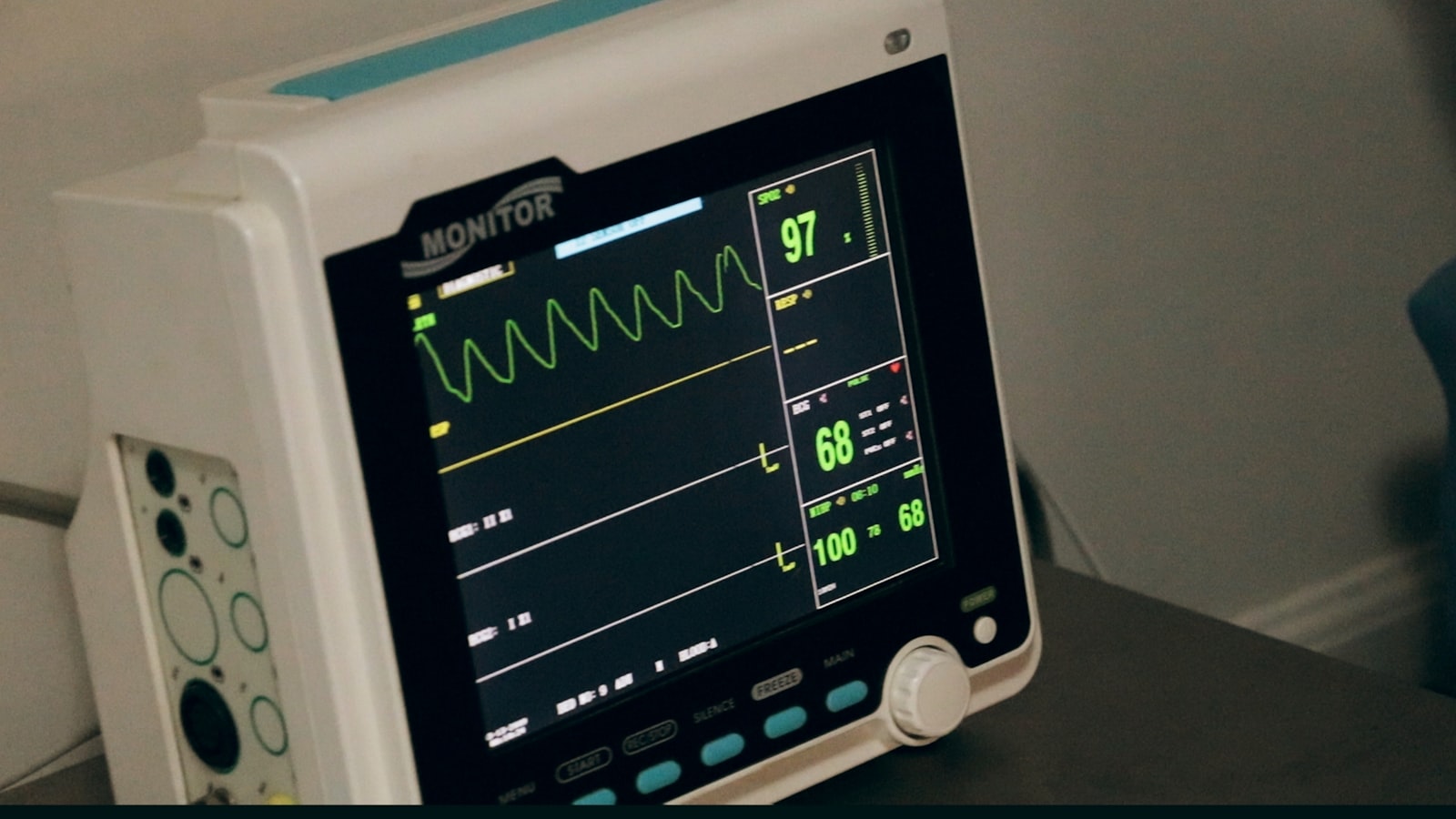
Before any Los Angeles patient begins cardiac screening in-home alcohol detox planning, the supervising physician needs to know whether the heart can tolerate the autonomic stress of acute alcohol withdrawal. Chronic heavy drinking is associated with alcoholic cardiomyopathy, atrial and ventricular arrhythmias, hypertension, and QT prolongation — conditions that shift both the risk profile and the medication choices during medically supervised detoxification. This clinical guide describes the cardiac evaluation Concierge Home Detox physicians perform at intake, why each step matters, and which findings redirect a patient from an in-home setting to an inpatient level of care.
Why cardiac screening precedes every in-home alcohol detox
Alcohol withdrawal drives a sympathetic surge — elevated heart rate, elevated blood pressure, and increased myocardial oxygen demand. In a patient with underlying structural or electrical heart disease, that surge is not a nuisance; it is a hazard. The SAMHSA TIP 45 detoxification protocol and the American Society of Addiction Medicine both identify unstable cardiovascular disease as a contraindication to outpatient or in-home detox. Cardiac screening is not optional. It determines whether the patient qualifies for the medically supervised in-home alcohol detox program in Los Angeles at all.
The intake cardiac history
A structured history opens every in-home detox intake. The clinician asks about prior myocardial infarction, congestive heart failure, coronary artery disease, hypertension (including current medications and typical readings), arrhythmias — especially atrial fibrillation — and a personal or family history of sudden cardiac death or long QT syndrome. Withdrawal seizures, prior delirium tremens, prior alcohol-related hospitalizations, and current use of QT-prolonging medications (many antibiotics, several antidepressants, some antipsychotics) are all documented. The Concierge Home Detox physician then reviews any recent labs, echocardiogram, or stress test the patient can retrieve from a primary care office or specialist — LA-area patients often have this documentation in a MyChart-linked hospital system, and pulling it in advance saves clinical time on the day of intake.
The in-home physical exam
The visiting physician performs a focused cardiovascular exam at the patient’s home: baseline blood pressure in both arms, resting heart rate, jugular venous pressure assessment, auscultation for murmurs and gallops, palpation of peripheral pulses, and inspection for peripheral edema. A 12-lead ECG is performed on-site using portable equipment. The clinician looks specifically for atrial fibrillation, evidence of prior infarction, left ventricular hypertrophy, QT interval measurement, and ST-segment changes. These findings shape both the safety decision and the withdrawal medication plan.
Findings that redirect to inpatient care
Certain cardiac findings make an in-home setting unsafe regardless of patient preference. In-home detox is redirected to inpatient hospital-based detox when any of the following are present at intake:
- Uncontrolled atrial fibrillation with rapid ventricular response
- Symptomatic heart failure with recent decompensation
- QTc greater than 500 ms on the intake ECG
- Chest pain or ECG changes consistent with active ischemia
- Systolic blood pressure persistently above 180 mm Hg or below 90 mm Hg on repeat measurement
- Recent myocardial infarction within the prior 90 days
- Severe electrolyte derangement — hypokalemia or hypomagnesemia below correction thresholds — that cannot be corrected quickly in the home setting
Patients with any of these findings are referred to an appropriate inpatient program with the physician’s evaluation documented and transmitted to the receiving team. The service scope for who qualifies for in-home care is described further on the find in-home detox near you resource page, and the Concierge Home Detox editorial process describes how these clinical criteria are kept current with published guidelines.
How cardiac status shapes medication choice
Once a patient clears cardiac screening for in-home detox, the findings still shape the medication plan. The NIAAA clinician’s core resource on alcohol withdrawal reviews the standard benzodiazepine-based approach — long-acting agents such as diazepam or chlordiazepoxide are commonly used, with symptom-triggered dosing guided by a CIWA-Ar assessment. Cardiac considerations refine this in several ways:
- Beta-blockers: Adjunctive beta-blocker use for sympathetic overdrive is considered case-by-case; not routine, and used cautiously in patients with reactive airway disease, decompensated heart failure, or bradyarrhythmia.
- Clonidine: Central alpha-2 agonist adjunct for autonomic symptoms. Blood pressure trend must be monitored closely; rebound hypertension is a documented concern on abrupt discontinuation.
- QT-prolonging agents: Any medication with QT-prolonging potential — including some antiemetics and some antipsychotics used for hallucinatory symptoms — is reviewed against the intake QTc.
- Thiamine and electrolyte repletion: Standard supplementation for prevention of Wernicke encephalopathy; magnesium and potassium are corrected to protocol thresholds, especially in patients with prior arrhythmia.
Ongoing cardiac monitoring during the detox window
After the intake screening clears a patient for in-home care, vitals are monitored on a protocolized cadence during the acute withdrawal window — heart rate, blood pressure, respiratory rate, and oxygen saturation are documented at intervals set by the physician based on withdrawal severity and cardiac risk. Any deterioration triggers a documented reassessment against the redirect criteria above, with escalation to the on-call physician and, if needed, transport to an appropriate inpatient facility. The service description for how monitoring is delivered inside the home is at in-home detox in California, and Beverly Hills patients can review the local-service page at in-home detox in Beverly Hills.
What families and referring clinicians should know
Families and referring primary care physicians in the LA area often ask whether an in-home detox skips the cardiac evaluation. It does not. The evaluation described above is standard at intake and repeated as clinically indicated during the detox window. Families supporting a loved one through the process can learn what to expect and what red flags warrant an immediate call to the medical team by reviewing the clinical resources section. To speak with the Concierge Home Detox intake team about a cardiac history and whether an in-home setting is clinically appropriate for a specific patient, call 866-896-3741.
Bottom line for LA patients and referring clinicians
A cardiac screening in-home alcohol detox workup is the safety gate that separates candidates who can be managed at home from those who need an inpatient level of care. It is a structured intake history, a focused physical exam, and a 12-lead ECG interpreted by a physician against defined redirect criteria. Patients cleared through the screening receive a medication and monitoring plan matched to their cardiac status. Patients who do not clear are referred to an appropriate inpatient program. To begin a clinical intake evaluation, contact Concierge Home Detox at 866-896-3741.
Ready to Start In-Home Medical Detox?
Speak with a physician-led detox team. Confidential, medically supervised, and delivered in your home.
Call 866-896-3741 or book a consultation.
