
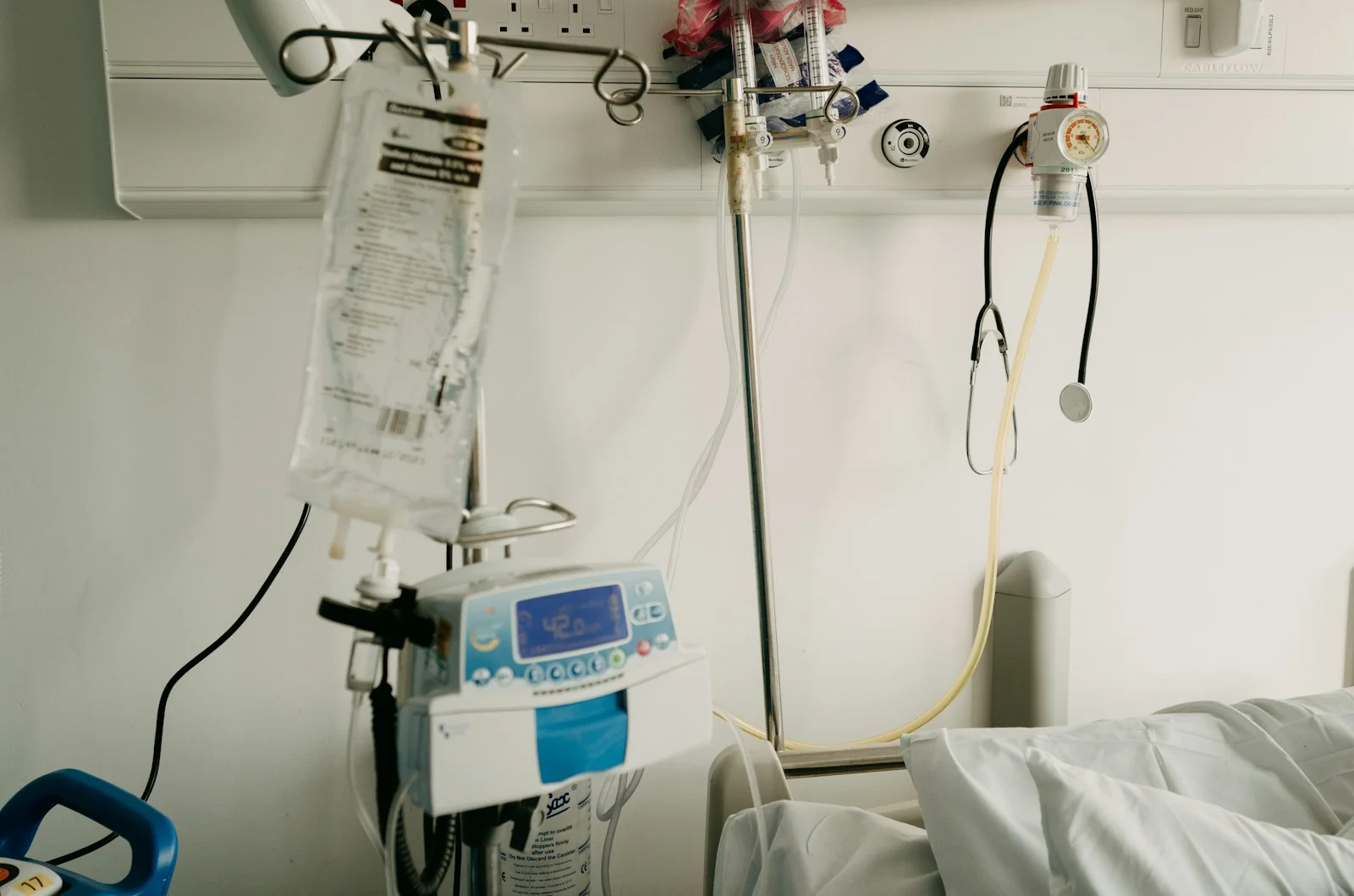
When a family member begins medically supervised in-home alcohol withdrawal, the first three days are the most clinically active window of the entire detox. The National Institute on Alcohol Abuse and Alcoholism (NIAAA) notes that symptoms typically begin within 6 to 24 hours of the last drink, peak between 36 and 72 hours, and can include the most serious complications – seizures and delirium tremens – during this same period. For Los Angeles households welcoming a concierge medical detox team into the home, family caregivers become an important extension of that clinical team. This guide explains what to expect during hours 0 through 72, what your loved one’s physicians and nurses will be managing, and how to be supportive without stepping outside the caregiver role.
Why the First 72 Hours Are Different
Alcohol use disorder produces neurological adaptations that make abrupt cessation physiologically dangerous for some patients. The American Society of Addiction Medicine (ASAM) 2020 Clinical Practice Guideline on Alcohol Withdrawal Management describes a predictable timeline: minor symptoms (tremor, anxiety, nausea, headache, sleep disruption) begin within 6-12 hours; alcohol-related hallucinations may appear at 12-24 hours; withdrawal seizures peak between 24 and 48 hours; and delirium tremens (DTs), the most severe form, typically emerges between 48 and 96 hours in patients with heavy, sustained use. Not every patient develops severe withdrawal, but every patient must be monitored as if they might, because DTs carries a mortality rate of roughly 1-4% even with treatment, per NIAAA and Centers for Disease Control literature.
A concierge in-home model can be appropriate for patients whose withdrawal severity, medical comorbidities, and home environment fit outpatient safety criteria – and it is precisely during these first 72 hours that the medical team’s presence, medications, and monitoring do the most work.
What Your Loved One’s Concierge Medical Team Is Doing
During the initial three-day window, the physician and nurses supervising an in-home alcohol detox typically manage several parallel workstreams. Understanding these helps family members recognize why the clinicians ask certain questions and take certain vitals so often.
- Serial CIWA-Ar assessments. The Clinical Institute Withdrawal Assessment for Alcohol, Revised (CIWA-Ar) is a 10-item scored scale used across U.S. hospitals and outpatient settings to quantify withdrawal severity, per the National Institutes of Health. Nurses typically re-score every few hours during peak withdrawal to guide medication timing.
- Symptom-triggered or fixed-dose benzodiazepine protocols. ASAM identifies long-acting benzodiazepines (diazepam, chlordiazepoxide) or, for older patients and those with liver disease, intermediate-acting agents (lorazepam) as first-line pharmacologic treatment for moderate-to-severe alcohol withdrawal.
- Thiamine and micronutrient replacement. The NIAAA and CDC both recommend parenteral thiamine (vitamin B1) before any glucose-containing fluids to reduce risk of Wernicke encephalopathy in patients with chronic alcohol use.
- Vital sign monitoring. Blood pressure, heart rate, temperature, and pulse oximetry are checked frequently to identify autonomic instability early.
- Hydration and electrolyte management. Oral or IV fluids may be used to correct dehydration and electrolyte disturbances (magnesium, potassium, phosphate) that are common in chronic alcohol use.
The Family Caregiver Role: What You Do
Family caregivers are not clinicians, and the concierge team will not ask you to make medical decisions. Your role is to preserve a calm, low-stimulation environment and to support the plan the clinical team sets. Practically, that looks like:
- Preserving quiet. Reduce visitors, keep televisions and phones at low volume, dim lights during the night. Sensory overload can worsen agitation.
- Encouraging fluids and light food. When the nurse says oral intake is safe, offer water, broths, and easily digested foods on the schedule they suggest. Do not force intake if your loved one is nauseated or the team has ordered NPO (nothing by mouth) status.
- Being present and calm. A familiar, non-anxious presence helps orient a patient whose sensorium may be affected. Short, simple sentences work better than long conversations.
- Documenting what you observe. Note the time of any tremor, vomiting, confusion, or change in behavior and share it with the nurse at the next check-in.
- Managing the calendar. Cancel non-essential appointments, deliveries, and visitors for the 72-hour window so the patient can rest.
What You Don’t Do
Equally important is knowing where the caregiver role ends. During in-home alcohol withdrawal, family members should not:
- Adjust, skip, or double medication doses on their own. If a dose seems too sedating or not enough, call the on-call clinician.
- Give any alcohol – not “just one” to take the edge off, not wine with dinner. This is a medical treatment window.
- Introduce over-the-counter sedatives, antihistamines, or supplements without asking the physician first. Diphenhydramine, melatonin, and even “sleep gummies” can interact with benzodiazepines or mask worsening symptoms.
- Try to talk the patient out of withdrawal. Symptoms are physiologic, not attitudinal.
- Leave the patient alone during peak hours (typically 24-72). If you must step out, coordinate with the concierge team.
Red Flags: When to Escalate Immediately
Any of the following should prompt an immediate call to the on-call clinician – and, if the clinician cannot be reached within minutes, a call to 911. The National Library of Medicine’s MedlinePlus resource on alcohol withdrawal lists these as emergent findings:
- New confusion, disorientation to person, place, or time, or visual hallucinations (potential DTs).
- Seizure activity of any kind.
- Chest pain, severe shortness of breath, or a heart rate persistently above 130.
- Body temperature above 101 degrees Fahrenheit without another obvious cause.
- Sudden severe agitation, aggression, or the patient trying to leave.
- Repeated vomiting that prevents holding down medications or fluids.
Preparing the Home Before Day 1
Ahead of the concierge team’s arrival, a short walk-through helps the first 72 hours go smoothly. Choose a bedroom on the same level as a bathroom. Remove obvious trip hazards from the path between bed and bathroom – rugs, cords, small furniture – because ataxia and tremor increase fall risk. Empty the house of any remaining alcohol. Make sure prescription medications, kitchen knives, and firearms are secured according to guidance you have already discussed with the medical team. Have a comfortable chair for the family member who will stay in the room, and identify a second family member who can rotate in for rest breaks.
After 72 Hours: The Transition
By hour 72, most patients who have not developed severe complications begin to move out of peak physiological withdrawal. Sleep is often still disrupted, appetite returns unevenly, and mood may fluctuate. This is when the medical team begins tapering benzodiazepines and shifting the plan toward the post-acute phase – potentially including anti-craving medication management, behavioral health referrals, sober-support planning, and coordination with the patient’s primary care physician. Family caregivers can begin resuming normal household routines gradually while continuing to protect sleep and reduce stress.
When In-Home Detox Is – and Isn’t – Appropriate
Not every patient is a candidate for in-home alcohol withdrawal management. Per ASAM criteria, patients with a history of complicated withdrawal (prior DTs or seizures), significant medical or psychiatric comorbidities, unstable housing, no reliable caregiver, or very high baseline CIWA-Ar scores are generally better served in a hospital or inpatient setting. A concierge intake evaluation – typically including history, physical, labs, and a screening EKG – determines whether outpatient in-home care is medically appropriate before day 1.
Talk to a Concierge Detox Physician in Los Angeles
If your family is considering medically supervised in-home alcohol withdrawal in the Los Angeles area, Concierge Home Detox offers physician-led intake evaluations, 24/7 nursing coverage during acute withdrawal, and coordination with your existing medical team. To speak with an intake coordinator, call 866-896-3741.
This article is for educational purposes only and is not a substitute for individualized medical advice. Alcohol withdrawal can be life-threatening; if you or a loved one is experiencing withdrawal symptoms, contact a qualified medical professional or, in an emergency, call 911.
References
- National Institute on Alcohol Abuse and Alcoholism (NIAAA). Alcohol Use Disorder: A Comparison Between DSM-IV and DSM-5. niaaa.nih.gov.
- American Society of Addiction Medicine. The ASAM Clinical Practice Guideline on Alcohol Withdrawal Management, 2020. asam.org.
- National Library of Medicine, MedlinePlus. Alcohol Withdrawal. medlineplus.gov.
- Centers for Disease Control and Prevention. Excessive Alcohol Use. cdc.gov/alcohol.
Ready to Start In-Home Medical Detox?
Speak with a physician-led detox team. Confidential, medically supervised, and delivered in your home.
Call 866-896-3741 or book a consultation.
