
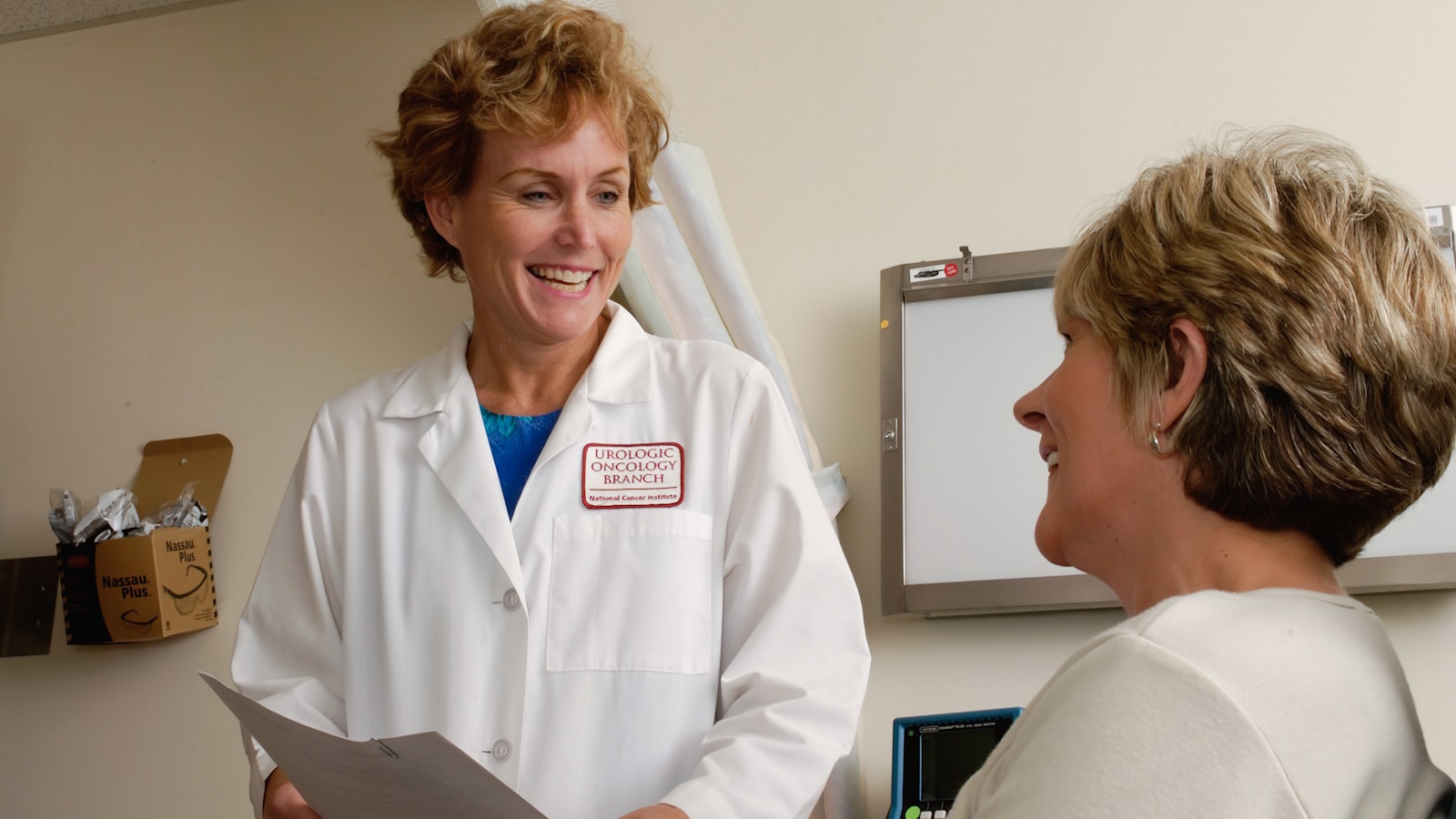
The clinical question of who qualifies for in-home medical detox is the first — and most consequential — decision an admitting physician makes for anyone considering an alternative to a facility-based stay. In-home medical detox is a physician-supervised withdrawal management model performed in a patient’s residence, using the same protocols and monitoring standards (CIWA-Ar, COWS, vitals cadence, on-call MD escalation) that inpatient units use. But it is not appropriate for every withdrawal profile, and no ethical program admits people who don’t meet screening criteria.
This article walks through the specific medical, psychiatric, and environmental factors that determine eligibility, drawn from the SAMHSA Treatment Improvement Protocol (TIP) 45 guidance for detoxification and the ASAM Criteria level-of-care framework. It is written for family members, referring clinicians, and adults evaluating options — not as marketing material.
What in-home medical detox is designed to treat
In-home medical detox is a Level 1-WM or Level 2-WM equivalent under ASAM’s Withdrawal Management taxonomy — ambulatory withdrawal management with the addition of continuous or extended physician oversight. It is used for substance-specific withdrawal syndromes that can be managed safely outside a hospital or residential unit, including alcohol use disorder, benzodiazepine use, opioid use disorder, and stimulant discontinuation.
Each substance carries its own qualifying profile. Alcohol withdrawal is stratified by CIWA-Ar trajectory, seizure history, and hepatic function; benzodiazepine withdrawal by daily diazepam-equivalent dose, chronicity, and cross-titration complexity; opioid withdrawal by COWS score, medication-assisted treatment history, and MAT continuation plan; stimulant discontinuation by cardiac history and sleep-cycle stability. Detailed clinical explanations of each substance-specific workflow live on our in-home alcohol detox, benzodiazepine detox, at-home opiate detox, and stimulant detox service pages.
Medical exclusion criteria — when in-home is not the right level of care
A physician evaluation begins with a documented review of medical exclusion criteria. If any of the following are present, the patient is referred to a higher acuity setting — typically an inpatient detox unit or medical hospital — rather than admitted to an in-home protocol.
- Prior seizure during withdrawal, or a documented seizure disorder. The National Institute on Alcohol Abuse and Alcoholism notes in its alcohol use disorder overview that seizure risk during alcohol withdrawal is elevated in patients with prior withdrawal seizures. A patient with this history is inappropriate for ambulatory management regardless of setting.
- Prior delirium tremens. DT is a life-threatening complication of alcohol withdrawal and its recurrence risk on a subsequent withdrawal is elevated. Patients with any documented DT history are referred inpatient.
- Uncontrolled cardiovascular disease. Untreated hypertension, unstable angina, arrhythmia, or recent MI is disqualifying for in-home alcohol or stimulant withdrawal because the sympathetic surge of early withdrawal is not safely managed outside a cardiac-monitored setting.
- Severe hepatic impairment. Advanced cirrhosis, active hepatic encephalopathy, or a MELD score outside the safe range affects benzodiazepine metabolism and precludes standard taper protocols.
- Acute psychiatric decompensation. Active suicidal ideation with plan, active psychosis, or a recent psychiatric hospitalization within 30 days requires a psychiatric admission first — detox alone is not the appropriate intervention.
- Pregnancy. Withdrawal management in pregnancy requires an obstetric team and is not delivered in the in-home model.
- Concurrent polysubstance withdrawal with unpredictable trajectory. Some polysubstance profiles — particularly heavy alcohol combined with high-dose benzodiazepines and daily opioids — carry compounded risk that is safer to manage inpatient for the first 72 hours.
Environmental and support-system criteria
Beyond the strictly medical, in-home eligibility requires a home environment that supports safe withdrawal management. The screening physician confirms the following before admission:
- A responsible adult who can remain in the home during the acute withdrawal window (typically 72 to 120 hours, substance-dependent) and follow clinician instructions.
- A residence free of the substance being withdrawn from and free from active use by other household members.
- Reasonable proximity to an emergency department in the event of an unexpected medical escalation — most in-home programs use a 20 to 30 minute drive as a working guideline.
- Working phone service, so the on-call MD and nursing team can maintain contact between in-person visits.
- The patient’s own agreement to the model, including agreement not to leave the home during the acute phase.
These environmental factors are as diagnostic as the medical criteria. Family members should expect the screening call to include specific questions about the home, other household members, and who will be present overnight.
How the physician evaluation actually works
Screening for in-home medical detox begins with a physician intake — typically 45 to 60 minutes — that covers substance-use history, prior withdrawal episodes, current medications, medical comorbidities, psychiatric history, and a review of recent labs when available. For alcohol withdrawal specifically, an initial CIWA-Ar baseline is documented; for opioid withdrawal, a COWS baseline. The physician then documents medical necessity, confirms the withdrawal profile is safely manageable at the ambulatory Level 1-WM or Level 2-WM standard, and drafts the individualized taper or symptom-triggered protocol.
For patients with more complex profiles, the physician may order additional labs (CBC, CMP, LFTs, magnesium, phosphate, thiamine level) before finalizing admission. Nothing about the process is expedited past clinical judgment. If a patient does not qualify for in-home, the honest disposition is a referral to a facility-based level of care — not a workaround.
What happens if the patient qualifies
Once eligibility is confirmed, the admission includes: an on-site nursing visit to initiate protocols and place any needed supportive medications, scheduled CIWA-Ar or COWS reassessments at defined intervals, daily physician touchpoints, and a 24/7 on-call MD line for symptom escalation. Prescriptions are handled through licensed retail or specialty pharmacies. If a patient’s trajectory changes during the acute phase — a sudden CIWA-Ar climb, an unanticipated seizure risk marker, or a cardiovascular sign — the escalation-to-ER protocol is activated; there is no attempt to keep a decompensating patient in the ambulatory model.
Why in-home is not always the “gentler” option — and why that matters clinically
Family members sometimes ask whether in-home medical detox is a lighter version of inpatient care. It is not. The medications, protocols, and monitoring frequencies are the same. What changes is the setting — the acute withdrawal window is managed in the patient’s home, with clinicians visiting and calling in on a defined cadence, rather than in a residential unit. Because the setting is the patient’s own environment, the clinical bar for admission is actually higher: the physician must be confident that the withdrawal profile will not require the resources of a hospital during the acute window. When that confidence is not warranted, an inpatient admission is safer and less disruptive to the patient’s overall recovery than trying to manage a decompensating case at home.
Common reasons a family member does not qualify — and what to do next
The two most common reasons an initial screening does not lead to an in-home admission are a documented seizure or DT history and an active psychiatric acuity that requires stabilization first. Neither is a failure — both are signals that a different level of care will produce a safer withdrawal. Referring clinicians and admitting physicians typically coordinate a warm handoff to an appropriate inpatient program or psychiatric admission in these cases, with the option to consider concierge continuing-care support after the acute inpatient window is complete. If your family member’s initial screening indicates in-home is not the right fit, ask the evaluating physician which programs they routinely refer to and whether a re-evaluation for in-home is appropriate after inpatient discharge.
Requesting a physician evaluation
If you are researching options for yourself or a family member, the first step is a physician evaluation to determine whether in-home is clinically appropriate. Request an evaluation through our contact page, or use the service-area locator to check availability in your region. Not every profile qualifies, and honest screening is part of the model.
Ready to Start In-Home Medical Detox?
Speak with a physician-led detox team. Confidential, medically supervised, and delivered in your home.
Call 866-896-3741 or book a consultation.
